

A quiet reflection on aging, loneliness, and the need to stay emotionally connected.
The phone rings at six o’clock, and for a brief second, the baby boomer sitting alone in the kitchen feels a small rush of hope. Maybe it’s one of the kids. Maybe someone is calling just to talk. But instead, it is someone selling life insurance, or asking for a political donation, or reminding them their warranty is about to expire. And yet, something surprising happens: they keep talking.
What Are Baby Boomers Really Struggling With as They Age?
That moment says something profound about aging in modern life. Many baby boomers are not simply struggling with growing older. They are struggling with the sudden emotional quiet that can emerge after decades of being deeply woven into everyone else’s daily lives.
For years, they were needed constantly. They packed lunches, solved crises, drove carpools, managed holidays, and held families together emotionally and practically. Life was noisy, demanding, overwhelming sometimes. But full.
Then slowly, almost invisibly, the rhythm changes. Children grow up. Families scatter geographically. People communicate through rushed texts instead of long conversations, and everyone becomes busy surviving their own lives. Many older adults find themselves entering long stretches of silence nobody prepared them for.
What makes this especially painful is that many baby boomers do not want to seem needy. So instead of saying, “I’m lonely,” they say: “I know you’re busy.” “I didn’t want to bother you.” “I was just sitting here.”
Underneath those words is often something much more vulnerable: “I miss feeling connected.”
How Can Families Stay Emotionally Connected Across Generations?
Families stay emotionally connected by treating ordinary contact, not just big occasions, as the real glue of the relationship. Perhaps the more important question is not simply why the distance happens, but how we prevent it from becoming the emotional norm of later life. This situation is not inevitable. Families can stay emotionally connected across generations, but it requires more intentionality than previous generations perhaps needed: modern life pulls people apart unless someone consciously works to keep connection alive.
Fortunately, meaningful connection is often built through very small things: a five-minute phone call that is not rushed, a random photograph sent during the day, including parents in ordinary life instead of only holidays or emergencies.
One of the greatest mistakes families make is waiting for “important occasions” to connect.
Emotional closeness is usually built through ordinary moments: the quick check-in, the funny story, the recipe question, the shared television show, the small ritual that quietly says, “You still belong in my daily life.”
What Can Baby Boomers Do to Bridge the Gap Themselves?
Baby boomers themselves also have an opportunity here. Many older adults were raised to suppress emotional needs, avoid vulnerability, and appear self-sufficient at all times, but emotional distance often grows when nobody speaks honestly. Sometimes adult children genuinely do not realize how disconnected things have become, not because they do not love their parents, but because modern life numbs people into constant distraction.
A simple shift from guilt to openness can change an entire relationship.
Instead of: “You never call anymore.”
Perhaps: “I love hearing from you, even for a few minutes.”
Instead of: “You’re too busy for me.”
Perhaps: “I miss our conversations.”
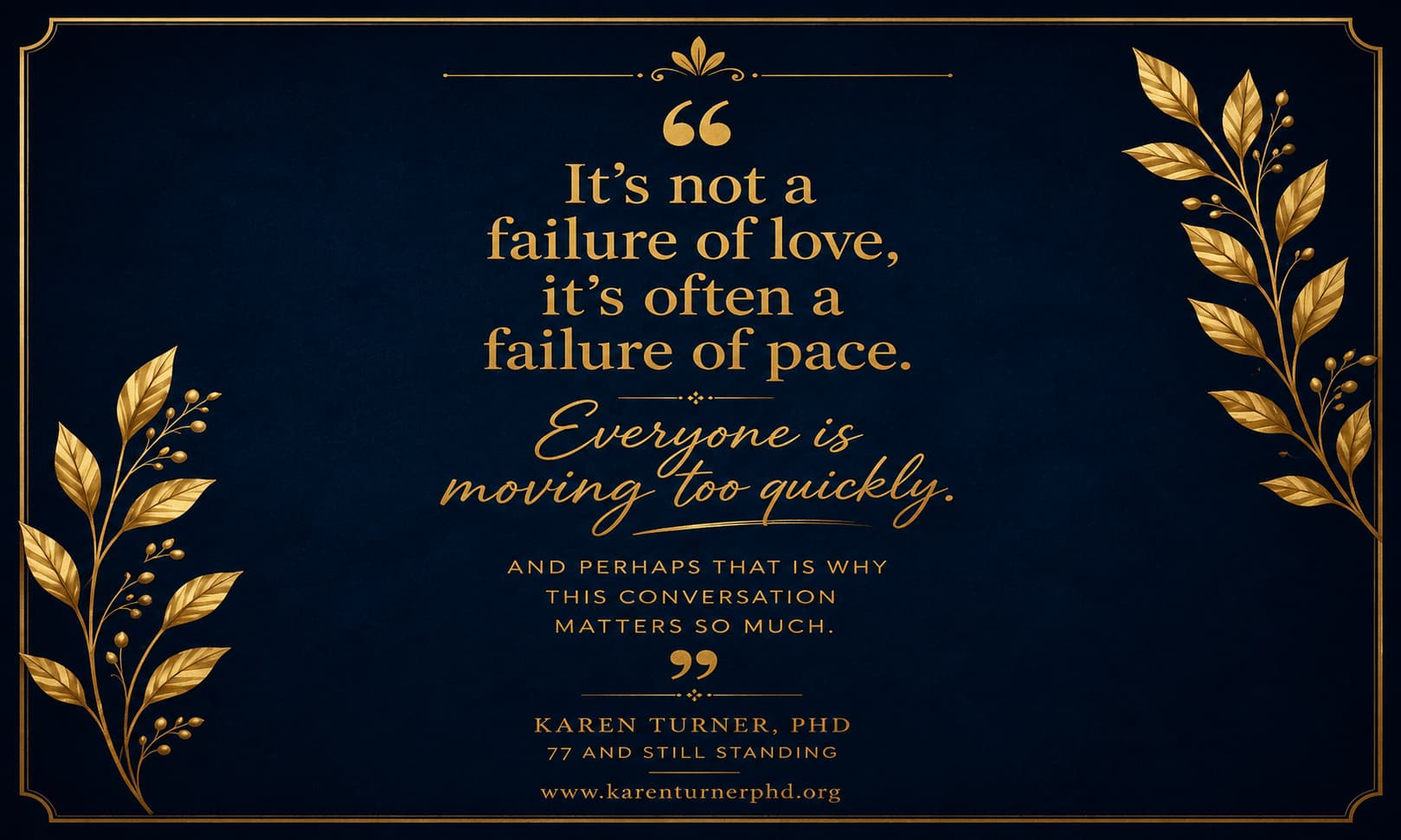
Warmth invites connection far more effectively than resentment does. There is also something else many baby boomers may need to understand: adult children are often emotionally overwhelmed too. They are juggling careers, marriages, financial stress, parenting, and the nonstop stimulation of modern life, and many feel chronically exhausted themselves. This is not a failure of love. It is often a failure of pace. Everyone is moving too quickly.
Why Does This Conversation Matter So Much?
Because one day, most adult children will likely find themselves sitting exactly where their parents now sit: waiting for the phone to ring, hoping to hear a familiar voice, wanting reassurance that emotional connection still exists across the busyness of life.
The beautiful news is that loneliness is not solved only through more activity. It is solved through genuine emotional presence, and later life still offers enormous opportunities for that. Many baby boomers begin forming deeper friendships than they had earlier in life. Others reconnect with siblings, grandchildren, neighbors, faith communities, creativity, volunteering, or entirely new social circles. Some finally discover relationships based not on responsibility, but on mutual enjoyment and emotional honesty. That may actually be one of the hidden gifts of aging.
And perhaps what baby boomers wish their children understood most is not simply:
“Call me more.”
But rather:
“Let’s not lose each other emotionally while we still have time to know each other well.”