
When Helping Your Adult Children Begins to Hurt You
Helping an adult child can be an expression of love. But when support threatens your retirement, health, or future, a caring boundary may protect both you and the relationship.

Delve into a world of psychological exploration through insightful articles. Gain understanding and tools to navigate emotions, behaviors, and mental well-being for a more empowered life.
Helping an adult child can be an expression of love. But when support threatens your retirement, health, or future, a caring boundary may protect both you and the relationship.
Regret often becomes louder after retirement, loss, or major life change. Here is how to examine the past honestly, make amends where possible, and carry the lesson forward without turning it into lifelong punishment.
Divorce can fracture more than a marriage. A psychologist on the grief of estrangement from an adult child, how to reach out without pushing, what to say in a first message, and how to build a meaningful life while the door stays open.
An aging parent may need more care when changes in safety, medications, hygiene, nutrition, mobility, or memory become persistent. This decision tree compares aging in place, in-home care, home health, assisted living, memory care, and nursing homes.
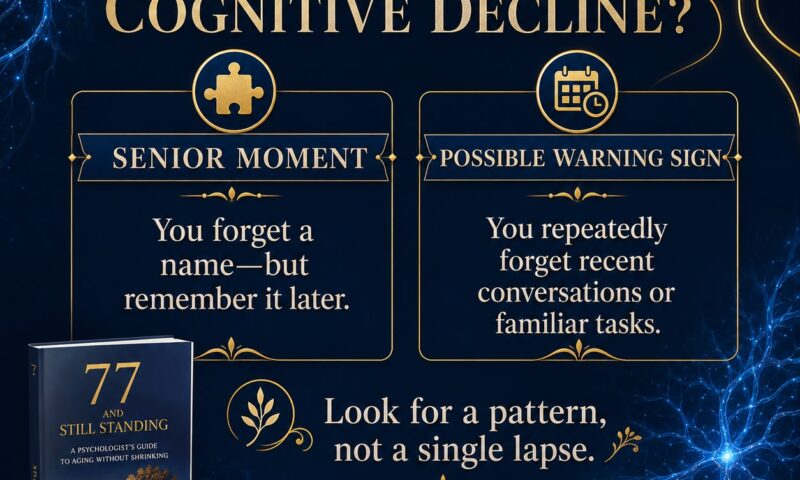
A senior moment is occasional and recoverable. Cognitive decline forms a pattern that interferes with daily life. Here is how to tell the difference, what else affects memory, and when to seek an evaluation.
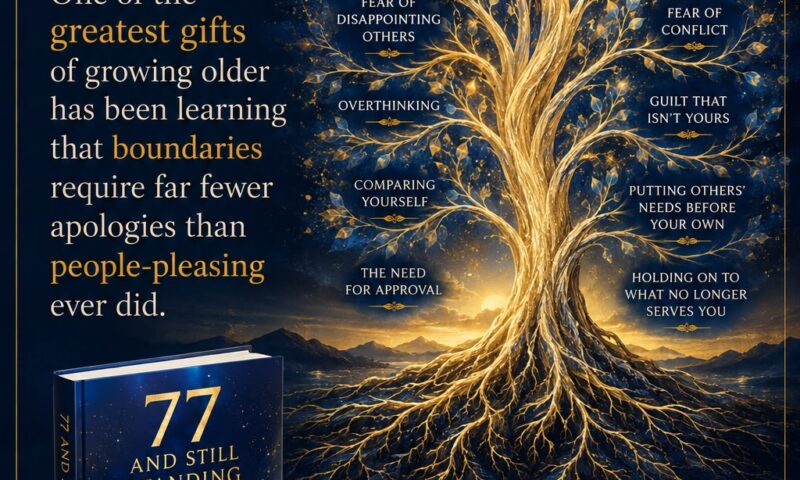
For years I apologized for things that were never mine to own. A psychologist on why we over-apologize, why boundaries feel so uncomfortable, and what we are finally allowed to put down as we grow older.
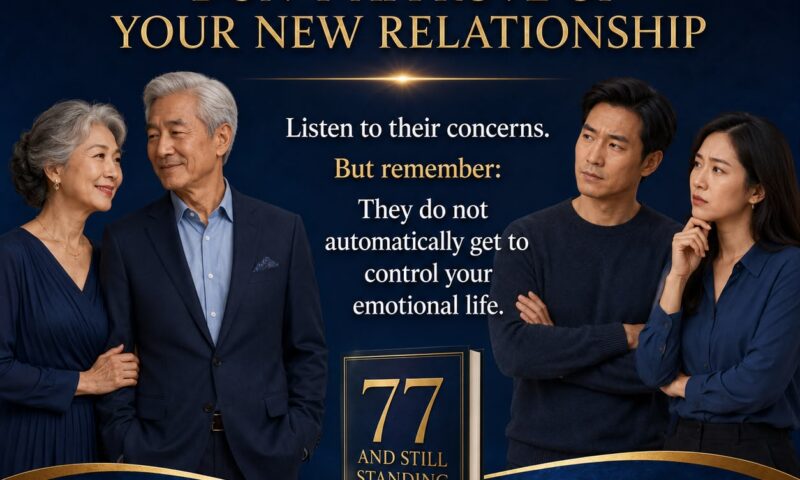
When adult children object to a parent’s new relationship, the challenge is to listen without surrendering your autonomy. A psychologist on separating real warning signs from discomfort with change, and protecting yourself either way.
In the second half of life the question is not whether you can find a partner, but whether you genuinely want one. A psychologist on single life, new love, independence, boundaries, and deciding what you actually want.
Time feels faster with age because routine leaves the brain fewer memories to mark it by. A psychologist explains what really changes, and how novelty, attention, and anticipation can make later life feel fuller.
Aging well is not the same as aging slowly. A psychologist explains why appearance and health are poor measures, and how purpose, adaptability, relationships, boundaries, and resilience define a later life worth living.