Many people assume the hardest part of retirement is money or free time. But for high-achieving professionals, the hardest part is often something no one warned them about: losing the identity that came with a title, an office, and other people needing them.
Why Do Successful People Feel Lost After Retirement?
Successful people often feel lost after retirement because their sense of self became tied to status and achievement rather than to who they are apart from their work. When the meetings stop, the org chart is gone, and no one is waiting on their expertise, the applause that once confirmed their worth disappears overnight, and there is nothing yet in its place.
As a psychologist, I have worked with this exact transition many times, in executives, physicians, attorneys, entrepreneurs, and other high achievers. It is not a sign that something is wrong with you. It is one of the most normal and important psychological adjustments of later life, especially for people whose careers came with real power, prestige, or public recognition.
When Your Title Was Your Identity
If you spent decades being “the CEO,” “the doctor,” “the founder,” or “the person everyone called first,” your professional identity likely did more than pay the bills. It told you, and everyone around you, exactly who you were. Introductions came with your title attached. Your calendar was full because people needed you. Your opinion carried weight the moment you walked into a room.
That kind of external validation is intoxicating, and it is also fragile. When the title disappears, many high achievers experience something close to a psychological crash: a sudden, disorienting drop in self-worth that has nothing to do with their actual health, relationships, or finances. They are financially secure and physically well, yet they feel oddly diminished, even ashamed, as though they have quietly become less important.
This is not vanity. It is a predictable result of building identity on a foundation that was always temporary. Titles end. Org charts change. Retirement parties happen. Status was never designed to last a lifetime.
Success Doesn’t Protect You From This
Ironically, the people who struggle most after retirement are often the ones who looked the most successful on paper. When you have spent decades accomplishing goals, solving problems, and being needed, it is easy to start believing, without ever saying it out loud, “I matter because I produce.” Retirement quietly challenges that belief.
Your value has never depended solely on your productivity or your position. It comes from your wisdom, your relationships, your judgment, and the perspective only you can offer, qualities that do not retire even when your job title does.
The Missing Piece Isn’t Achievement, It’s Purpose
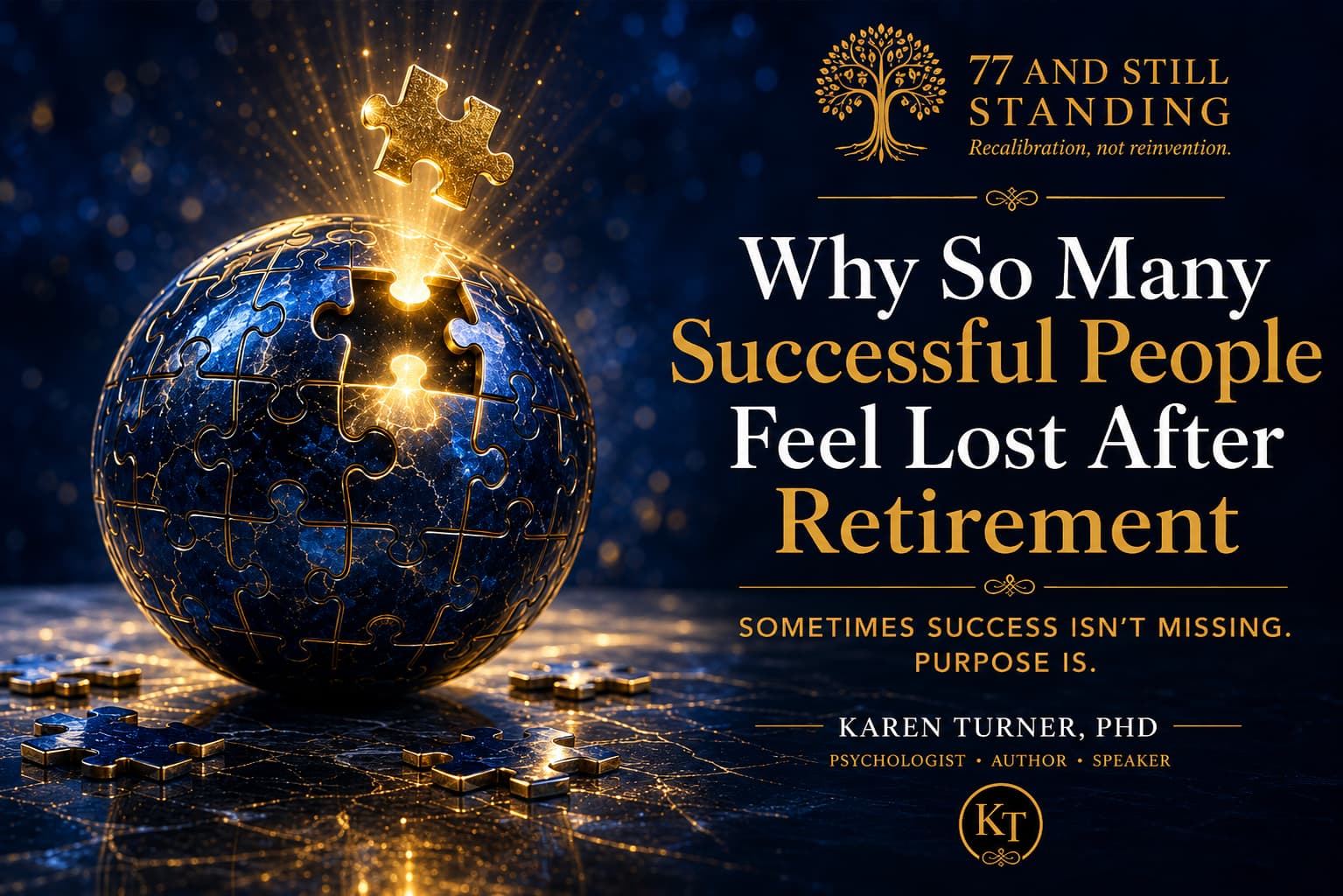
Picture a beautiful puzzle with one piece missing. From a distance it looks complete, but something important is absent. For many high-achieving retirees, that missing piece is not more success. It is purpose that exists independent of a role.
Purpose is not about staying busy every minute of the day. It is about knowing your life still has direction, meaning, and opportunities to make a difference, even without a title attached to your name. The good news is that purpose is not hiding somewhere waiting to be found. It is something you build.
Rebuilding Identity After Status: Where to Start
You do not have to overhaul your life to feel like yourself again. Start by asking different questions than the ones your career trained you to ask:
- What gives me energy, apart from being in charge?
- Who could benefit from my experience, even informally?
- What have I always wanted to learn, with no one grading the outcome?
- What kind of legacy do I want to leave that has nothing to do with my resume?
These questions shift the focus away from the status you have lost and toward the identity that is still yours to shape. Small acts, mentoring a younger colleague, joining a board for the mission rather than the title, teaching what you know, have a way of reconnecting former executives and high achievers with a version of themselves that is not performing for anyone.
You Don’t Need Reinvention
One of the biggest myths about this stage of life is that you have to reinvent yourself entirely. You don’t. You have to rediscover the parts of yourself that were waiting patiently beneath years of deadlines, board meetings, and performance reviews. As I explore in Your Identity Didn’t Retire When Your Career Did, the self you are looking for was never actually replaced by your job. It was just crowded out by it.
This stage of life is not about proving yourself. It is about expressing yourself.
Key Takeaways
- Feeling lost after retirement is especially common among high achievers whose identity was tied to status and title.
- Losing external validation can trigger a real psychological crash, even when health and finances are fine.
- Success and purpose are not the same thing, and purpose has to be built, not found.
- You don’t need to reinvent yourself. You need to reconnect with who you are apart from your title.
If retirement has left you wondering why you feel unsettled despite everything you have accomplished, you are not alone, and it is not permanent. The transition from a lifetime of achievement to a lifetime of meaning is one of the most significant emotional shifts we experience. It deserves patience, compassion, and hope. As I wrote in 77 and Still Standing, aging is not about shrinking your life. It is about thoughtfully designing what comes next. If you want to explore this further, Why Your Identity Doesn’t End When Your Career Does looks at how to rebuild a sense of self once the working identity has faded.
Related Reading
- Your Identity Didn’t Retire When Your Career Did
- Why Your Identity Doesn’t End When Your Career Does
- The Psychology of Successful Aging
- How to Find Meaning After Retirement
- 77 and Still Standing
About Karen Turner, PhD
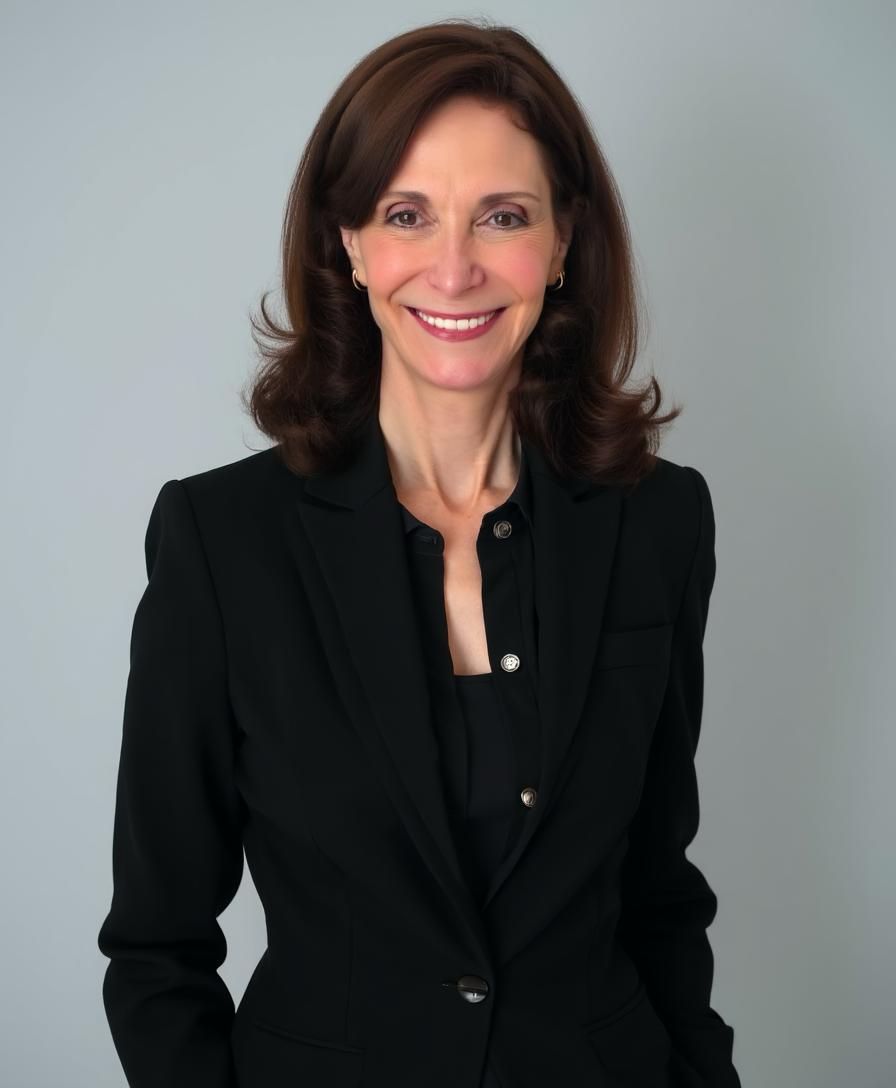
Karen Turner, PhD, is a psychologist, author, and speaker dedicated to helping adults create meaningful, resilient, and fulfilling lives after 50. Her book, 77 and Still Standing: A Psychologist’s Guide to Aging Without Shrinking, encourages readers to approach aging not as a period of decline, but as an opportunity for growth, purpose, and thoughtful design. Learn more at www.karenturnerphd.org.