

Walk into any gathering of older adults and you’ll notice something remarkable. Some people radiate warmth. They’re curious, hopeful, interested in others, and they laugh easily. They’ve experienced heartbreak, disappointment, illness, loss, and change, but somehow they remain open to life.
Others have lived through many of the same experiences. Yet they seem angry, critical, suspicious. They expect disappointment before it arrives. Life hardened them instead of deepening them.
Age doesn’t automatically produce wisdom. Experience alone doesn’t change us. It’s what we do with experience that shapes who we become.
Does Growing Older Automatically Mean Growing Wiser?
No. Many people assume wisdom simply arrives with birthdays. It doesn’t. Years give us opportunities; reflection creates wisdom.
Two people can live through the same divorce, the same illness, the same financial setback, the same loss. One becomes more compassionate. The other becomes more cynical. The difference isn’t what happened. It’s the meaning each person gave to what happened.
Why Do Some People Become Bitter as They Age?
Bitterness doesn’t appear overnight. It often begins with unhealed disappointment: broken trust, dreams that never happened, relationships that ended badly, feeling invisible, feeling betrayed, feeling forgotten.
When those hurts are carried year after year without being examined, they become part of our identity. We stop saying, “Something painful happened to me.” Instead we begin believing, “This is who I am.” That is one of the greatest emotional risks of aging.
What Is the Psychology of Wisdom?
Bitterness asks, “Why did this happen to me?” Wisdom asks, “What has this taught me?”
Bitterness keeps score. Wisdom seeks understanding. Bitterness narrows life. Wisdom expands it. One keeps us trapped in yesterday. The other prepares us for tomorrow.
Can Gratitude Improve Emotional Well-Being Without Denying Pain?
People often misunderstand gratitude. Gratitude isn’t pretending life has been easy. It isn’t ignoring grief, loss, or injustice.
True gratitude simply refuses to let pain become the only story. It says, “Yes, I lost something,” and, “I still have something worth loving.” Those two truths can exist together.
Why Do Some Older Adults Seem Happier and More Engaged?
One quality appears repeatedly in emotionally healthy older adults: curiosity. They remain interested. They read, travel, volunteer, learn technology, ask questions, develop new friendships, explore ideas.
Curiosity reminds the brain, and the heart, that life is still unfolding. The opposite of aging isn’t youth. It’s engagement.
How Does Forgiveness Affect Resilience?
Some of the happiest older adults have not had the easiest lives. They’ve simply stopped allowing yesterday to control today.
Forgiveness doesn’t erase what happened. It releases the power it continues to hold over us. Sometimes forgiveness is offered to another person. Sometimes it’s offered to ourselves. Either way, forgiveness creates room for joy.
A Personal Reflection
As a psychologist, I’ve had the privilege of meeting people from every walk of life. Some had extraordinary success. Others faced unimaginable hardship. What stayed with me wasn’t their résumé. It was their attitude toward life.
The wisest people weren’t those who had avoided pain. They were the ones who allowed pain to deepen their compassion instead of hardening their hearts. That may be one of the greatest choices we make as we grow older.
The Choice We Continue to Make
None of us controls everything that happens, and we never will. But every day we make quieter choices. Will I remain curious? Will I reach out? Will I forgive? Will I notice beauty? Will I keep learning? Will I allow hope another chance?
Those choices gradually shape the person we become.
Reflection Questions
- Which life experience has taught you the most?
- What disappointment still deserves healing?
- Where has life made you stronger?
- Where has it made you more compassionate?
- What kind of person do you hope to become over the next ten years?
Practical Exercise
Write two lists. The first: “Life has taught me…” The second: “Because of that, I now choose to…”
Notice how the second list transforms experience into intention. That’s where wisdom begins.
Final Thought
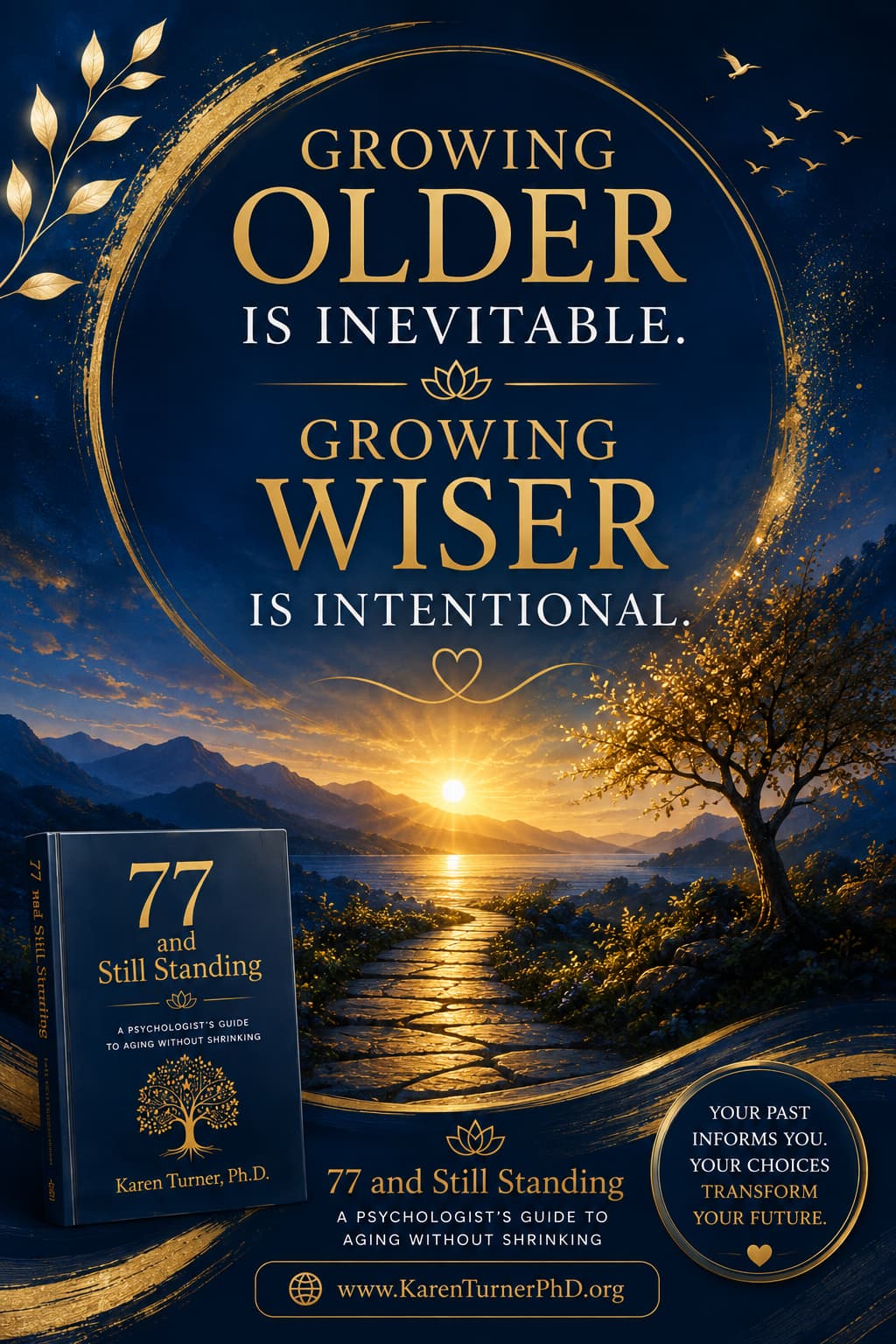
Growing older is inevitable. Growing wiser is intentional.
Your life has written many chapters. Some joyful, some heartbreaking, some you would gladly relive, others you wish had never happened. Together they have shaped you. But they do not have to imprison you.
Every morning offers another opportunity to become a little kinder, a little braver, a little more forgiving, a little more grateful.
Your past has given you experience. Now let it give you wisdom.
Questions This Article Answers
- Why do some people become bitter as they age?
- Can wisdom be developed later in life?
- What is the psychology of wisdom?
- How does resilience affect aging?
- Why do some older adults seem happier?
- Can gratitude improve emotional well-being?
- How do you age successfully?
- What habits lead to emotional resilience?
Related Reading
- The Psychology of Regret: Why Your Best Years May Still Be Ahead
- Your Identity Didn’t Retire When Your Career Did
- Why We Stop Dreaming About the Future as We Age
- The Hidden Psychology of Feeling Like a Burden
- Aging Without Shrinking: How to Grow Older Without Losing Yourself
- The Psychology of Successful Aging
- How to Let Go of Regret Later in Life, Without Pretending the Past Did Not Matter
- 77 and Still Standing by Dr. Karen Turner