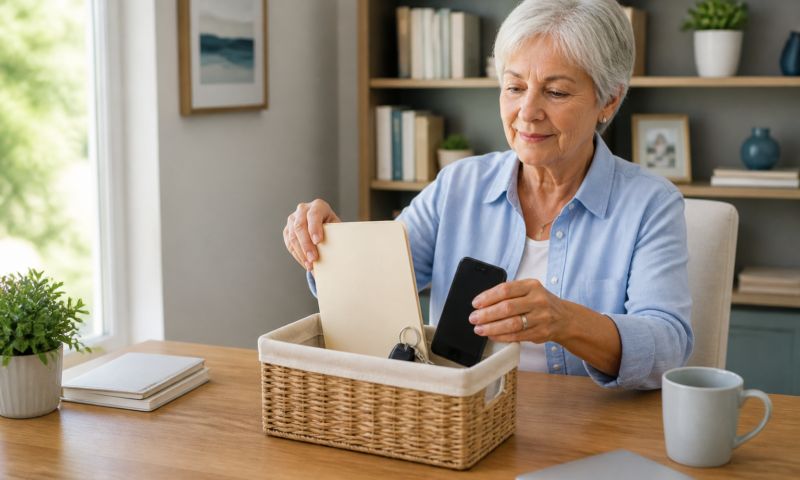
Create a Health Emergency Plan Before You Need One
Preparedness is not pessimism. It is a way to protect your wishes, reduce confusion, and make it easier for people to help when time is short.
Preparedness is not pessimism. It is a way to protect your wishes, reduce confusion, and make it easier for people to help when time is short.
A parent can value independence and still need support. The goal is not to win an argument. It is to make room for safety, choice, and an honest plan.
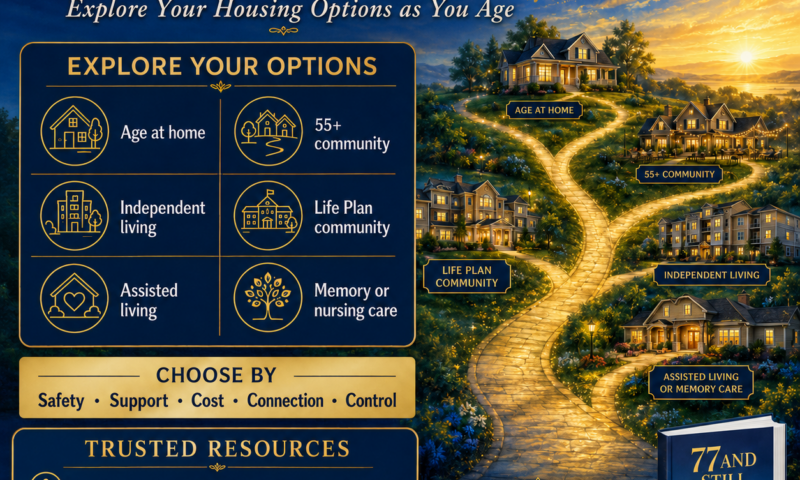
A senior’s guide to housing, care, and staying independent. Where we live shapes independence, relationships, finances, safety, routines, healthcare, and belonging. Yet housing conversations are often postponed until…
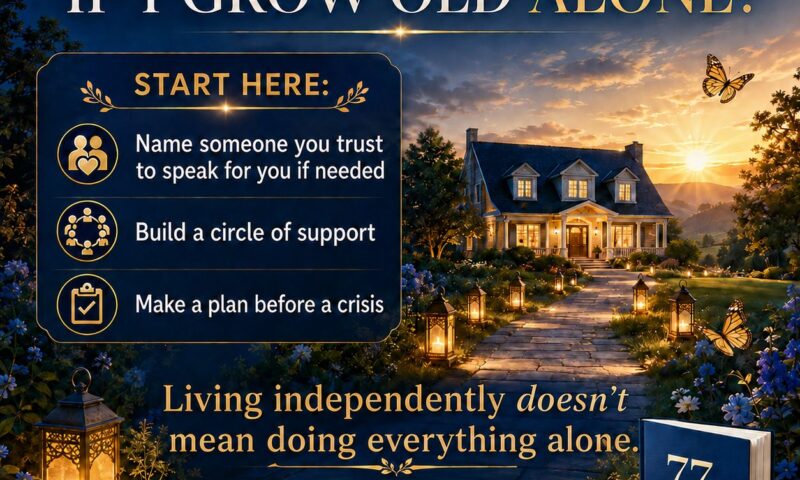
How solo agers can protect their choices, voice, and independence before a crisis. What will happen if I grow old alone? It is a reasonable question after widowhood,…
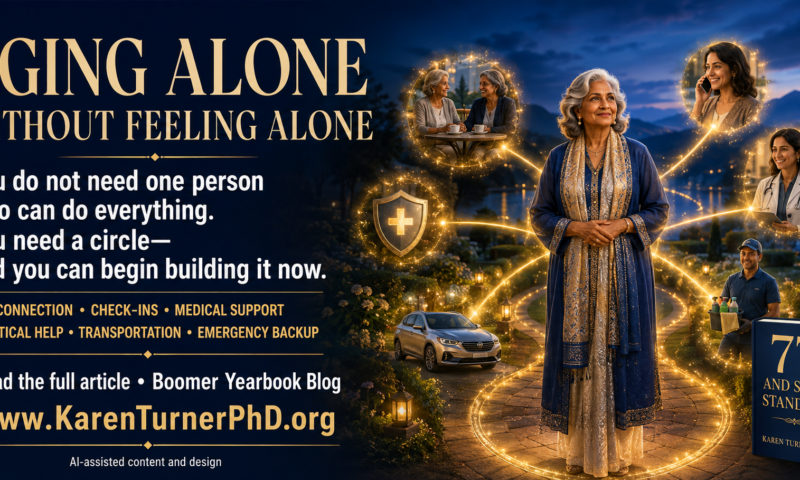
Aging alone does not have to mean navigating every appointment, emergency, decision, and lonely evening by yourself. Build a dependable circle one person, one service, and one written plan at a time.
The right question is not simply, ‘Can I stay in my home?’ It is, ‘Can this home continue supporting the life I want, safely, socially, practically, and financially?’
Concern can be loving and still become controlling. Learn how to ask for specifics, accept the help you want, set respectful boundaries, and keep decisions in your own hands.
Your home may hold your history, but does it still support the life you want now? These 10 questions can help you decide whether to stay, adapt, downsize, or move – without surrendering your independence.
An aging parent may need more care when changes in safety, medications, hygiene, nutrition, mobility, or memory become persistent. This decision tree compares aging in place, in-home care, home health, assisted living, memory care, and nursing homes.