

By Karen Turner, PhD
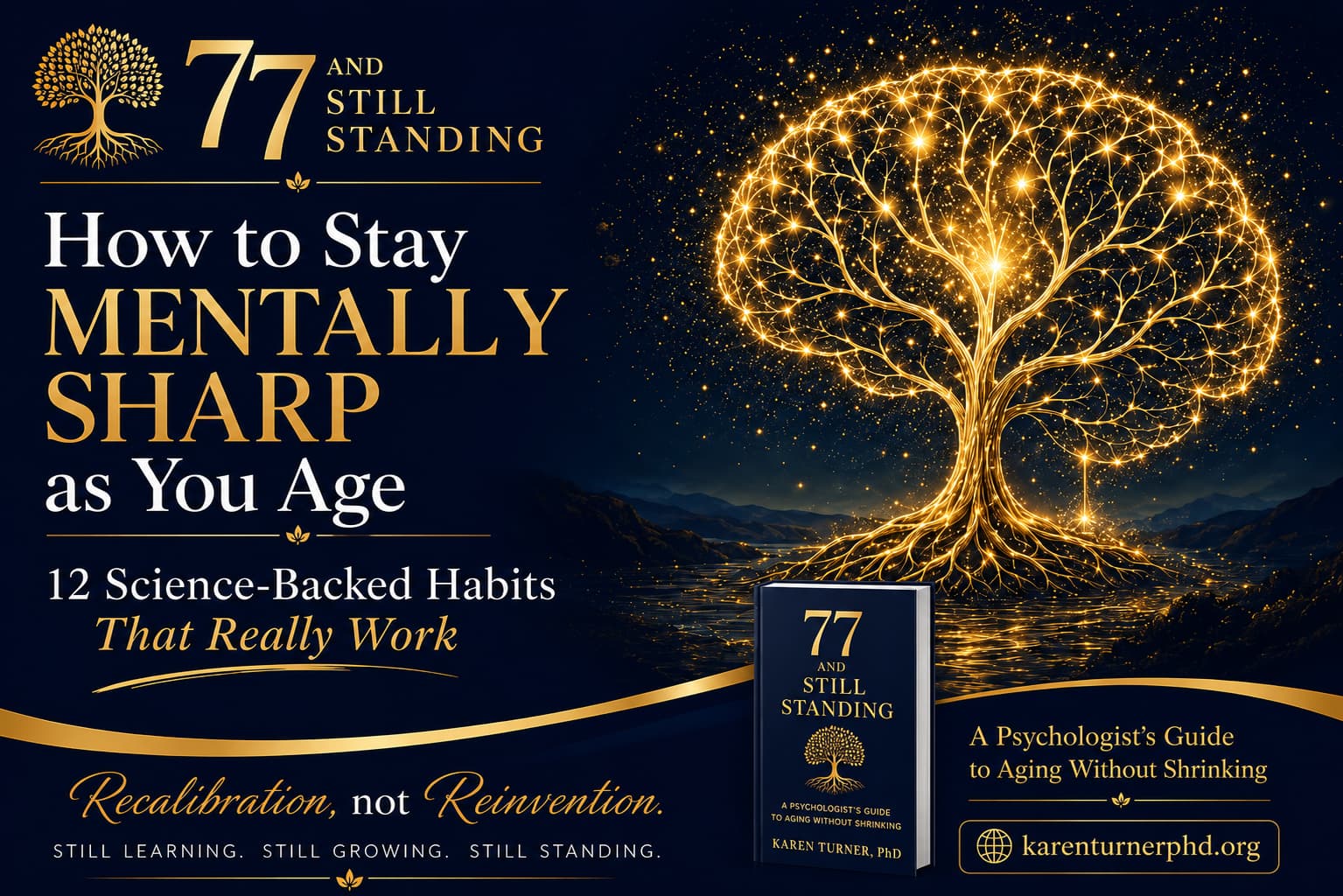
You can stay mentally sharp as you age by building daily habits, learning, movement, sleep, connection, and stress management, that keep your brain forming new connections at every stage of life.
Many people worry more about losing their memory than almost any other aspect of aging. The good news is that while no one can promise perfect memory forever, decades of research show that our brains remain capable of growth, adaptation, and learning throughout life. Scientists call this neuroplasticity, your brain’s remarkable ability to build new connections at every age.
Staying mentally sharp isn’t about finding one miracle supplement or solving crossword puzzles for hours each day. It’s about creating a lifestyle that continually challenges, nourishes, and protects your brain. Here are twelve habits that can help.
12 Habits That Help You Stay Mentally Sharp
1. Keep Learning New Things
Your brain thrives on novelty. Learning a language, taking up watercolor painting, mastering pickleball, playing mahjong, or learning to use new technology all encourage the brain to create fresh neural pathways. The goal isn’t perfection. It’s curiosity.
2. Move Your Body Every Day
Exercise improves blood flow to the brain and supports the growth of new brain cells. Walking, swimming, dancing, Pilates, yoga, or strength training all provide cognitive benefits. Even 20 to 30 minutes most days can make a meaningful difference.
3. Stay Socially Connected
Isolation is one of the greatest threats to healthy aging. Meaningful conversations, friendships, volunteering, clubs, family dinners, and community activities stimulate the brain in ways that solitary activities cannot. Connection is brain exercise.
4. Prioritize Sleep
During sleep, your brain consolidates memories and clears away metabolic waste. If sleep has become difficult, speak with your healthcare provider. Improving sleep quality may be one of the most powerful things you can do for long-term brain health.
5. Challenge Your Mind
Doing the same activities every day eventually becomes automatic. Mix things up: read books outside your favorite genre, learn new card games, try logic puzzles, practice music, visit museums, or take different routes when driving. Your brain enjoys being challenged.
6. Eat for Brain Health
Research consistently supports eating patterns rich in:
- Colorful fruits and vegetables
- Fish rich in omega-3 fatty acids
- Nuts and seeds
- Olive oil
- Whole grains
- Beans and legumes
Small daily choices add up over time.
7. Reduce Chronic Stress
Long-term stress can affect attention, memory, and concentration. Deep breathing, meditation, mindfulness, prayer, journaling, spending time in nature, and maintaining supportive relationships all help protect brain health.
8. Continue Having Purpose
Purpose gives the brain a reason to stay engaged. Whether you mentor others, volunteer, care for grandchildren, create art, write, travel, or learn new skills, purpose fuels mental vitality. Retirement is not the end of contribution.
9. Protect Your Hearing
Untreated hearing loss has been linked with increased cognitive decline. If you’re struggling to hear conversations, don’t ignore it. Hearing evaluations and hearing aids can help keep you socially and mentally engaged.
10. Manage Chronic Health Conditions
High blood pressure, diabetes, elevated cholesterol, and smoking all affect the blood vessels that nourish the brain. Taking care of your overall health is also taking care of your brain.
11. Laugh Often
Laughter reduces stress hormones, strengthens social bonds, and activates multiple areas of the brain simultaneously. Joy is good medicine.
12. Never Assume You’re “Too Old”
Perhaps the greatest myth about aging is that growth eventually stops. It doesn’t. People begin businesses in their seventies, write books in their eighties, earn degrees in their nineties, and discover entirely new passions late in life. Your brain responds to possibility.
The Bottom Line
Mental sharpness isn’t built in a single day. It’s the result of hundreds of small choices made consistently over time. You don’t need to do everything perfectly. Choose one new habit this week, then another next month. Small changes compound into meaningful results.
As I often remind readers, aging isn’t about shrinking your world. It’s about continuing to expand it. Staying mentally sharp isn’t simply about remembering yesterday. It’s about remaining fully engaged in today and excited about tomorrow.
Frequently Asked Questions
Can you improve memory after age 70?
Yes. While some changes are a normal part of aging, the brain continues forming new neural connections throughout life. Regular exercise, lifelong learning, quality sleep, social engagement, and managing health conditions all support cognitive function.
What is the best exercise for brain health?
Walking, strength training, swimming, Pilates, dancing, and other aerobic activities all benefit brain health. The best exercise is the one you’ll do consistently.
Does reading help prevent memory loss?
Reading challenges the brain, builds cognitive reserve, and supports lifelong learning. Combining reading with physical activity, social interaction, and good sleep provides even greater benefits.
What foods are best for brain health?
Research supports diets rich in vegetables, berries, fish, olive oil, nuts, whole grains, and legumes. These foods provide nutrients associated with healthy brain function.